In a fast-moving world driven by distraction, noise, and constant information, many people quietly struggle with deeper questions: Why am I here? What gives life meaning? How do faith and discipline fit into modern living?
These are questions Rabbi Samuel Waldman has spent decades exploring—through teaching, writing, and lived experience.
Drawing from a lifetime immersed in Torah learning, education, and spiritual inquiry, Rabbi Waldman’s work offers timeless guidance that remains deeply relevant today.
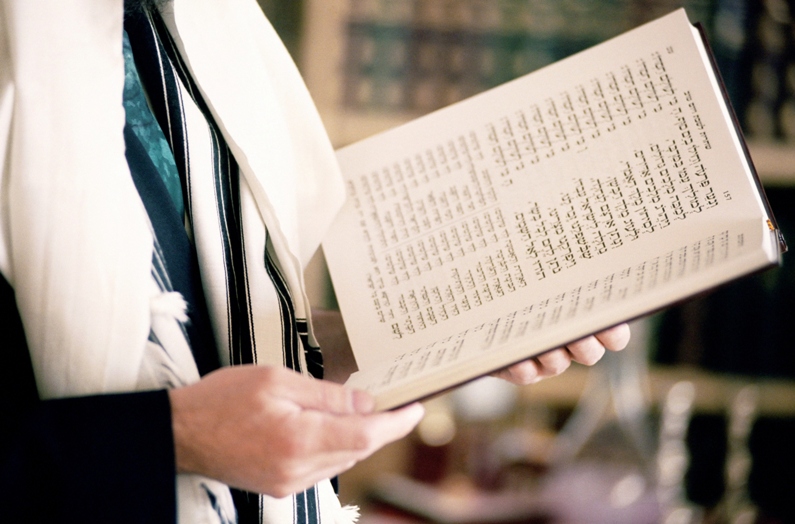
Faith Built on Understanding, Not Blind Acceptance
One of the most powerful ideas emphasized throughout Rabbi Waldman’s teachings is that faith should be intellectually grounded, not emotionally fragile. Exposure in his early years to the teachings of Rabbi Avigdor Miller ZT”L shaped his conviction that belief thrives when it is questioned, examined, and understood.
Rather than avoiding doubt, Rabbi Waldman encourages engaging with it honestly—using reason, observation, and tradition together. This approach empowers individuals to build conviction that is stable, thoughtful, and resilient in the face of modern skepticism.
Many of these ideas are expanded through Rabbi Waldman’s broader intellectual footprint, including platforms like his Crunchbase profile, which reflects the scope of his work beyond the classroom.
Prayer as a Tool for Transformation
Prayer is often misunderstood as ritual repetition. Rabbi Waldman reframes it as a daily discipline for inner transformation. His long-term writing project on proper prayer explores why structured, intentional prayer plays such a central role in Jewish life—and what it is meant to accomplish on a psychological and spiritual level.
According to this perspective, prayer is not about asking for outcomes alone, but about shaping awareness, humility, gratitude, and purpose. When practiced properly, it trains the mind to align with higher values rather than impulse or fear.
This depth of reflection is also reflected in Rabbi Waldman’s educational content shared publicly, including long-form lectures and insights available on his YouTube channel.
Teaching as Personal Responsibility
Years spent as a mashgiach and educator reinforced another core belief: teaching is not merely the transfer of information, but moral responsibility. Rabbi Waldman’s one-on-one guidance with students focused not only on learning, but on character development, discipline, and accountability.
This model reminds educators, parents, and leaders that influence is measured not by authority, but by example. Growth happens when guidance is paired with empathy and consistency.
Observing Meaning Through Nature
In recent years, Rabbi Waldman has expanded his focus to examining nature itself as a source of insight. His work highlights patterns of intelligent design observable in the natural world—encouraging reflection rather than passive consumption of scientific claims.
This approach does not reject science; instead, it challenges people to observe more carefully and think more deeply about complexity, purpose, and design.
Visual reflections and thematic inspiration tied to these ideas are curated on Rabbi Waldman’s Pinterest profile, offering a different medium through which contemplation and learning can occur.
Balancing Spiritual Values With Practical Life
Perhaps one of the most relatable lessons from Rabbi Waldman’s life is the importance of balance. Supporting a large family required stepping into business while maintaining a serious commitment to Torah study and prayer.
This reality reflects a broader truth: spiritual ideals must coexist with responsibility, work, and care for others. Faith is not diminished by practical effort—it is strengthened when values guide action.
A Quiet, Enduring Message
The advice woven throughout Rabbi Samuel Waldman’s life work points to a simple but demanding idea:
Live deliberately. Think deeply. Pray intentionally. Teach responsibly.
In a culture that rewards speed and surface-level answers, these lessons offer something rarer—clarity, grounding, and direction.